
The Story We’re Missing About Young People
Unmuted | August 2026
It’s just relentless.
Jeremy Vine says Gen Z are always on their phones. And the usual lazy narrative kicks in. Seemingly forgetting Mr Vine’s own obsession with his smartphone as he user-generates himself to more than one million followers across the big four platforms. Well done, Jeremy!
What people seem to forget is that: 1) most of us - not just younger people - are addicted to our phones (take a bow again, Jeremy); and 2) it’s older generations that developed the algorithm-based, dopamine-inducing tech that’s enslaved us all in the first place.
But no. Let’s point the finger at young people. It’s all their fault after all.
Thankfully, there’s a fightback against this entrapment that often feels like we’re all stuck in an early episode of Black Mirror. In the US, more than 30 states are suing Meta for over $1 trillion (yes, that’s a t), claiming Mark Zuckerberg’s outfit knew what they were unleashing on the world.
And all of this matters. It really matters.
We need accountability. We need guardrails. We need to stop big corporations having a free hit at the latest generation every time they pick up a phone.
But we also need to be careful, because two things can be true at the same time.
First, Meta and others have built platforms that are incredibly good at getting us hooked on their social media crack. Second, many young people genuinely want to be on their phones, regardless of the fishing lines reeling them in.
Why? Because they crave belonging, community and connection. And a block of Samsung or Apple aluminium does a pretty good job of delivering all three.
Let’s not forget the backdrop either. The pandemic. The cost-of-living crisis. The decline of third spaces (okay… apart from all those parks in London). They’ve all played a part.
It’s bizarre, isn’t it? The most connected generation in history is also one of the loneliest.
But please, let’s not blame them for the world they’ve inherited.
Cue the universities - What an extraordinary thing they are.
Places packed with young people making friends, trying new things and embracing new cultures. Campuses full of green spaces, sports centres, studios, cafés and bars. In a world that keeps pushing us onto screens, universities remain one of the last places where thousands of young people come together, every single day.
That’s pretty special.
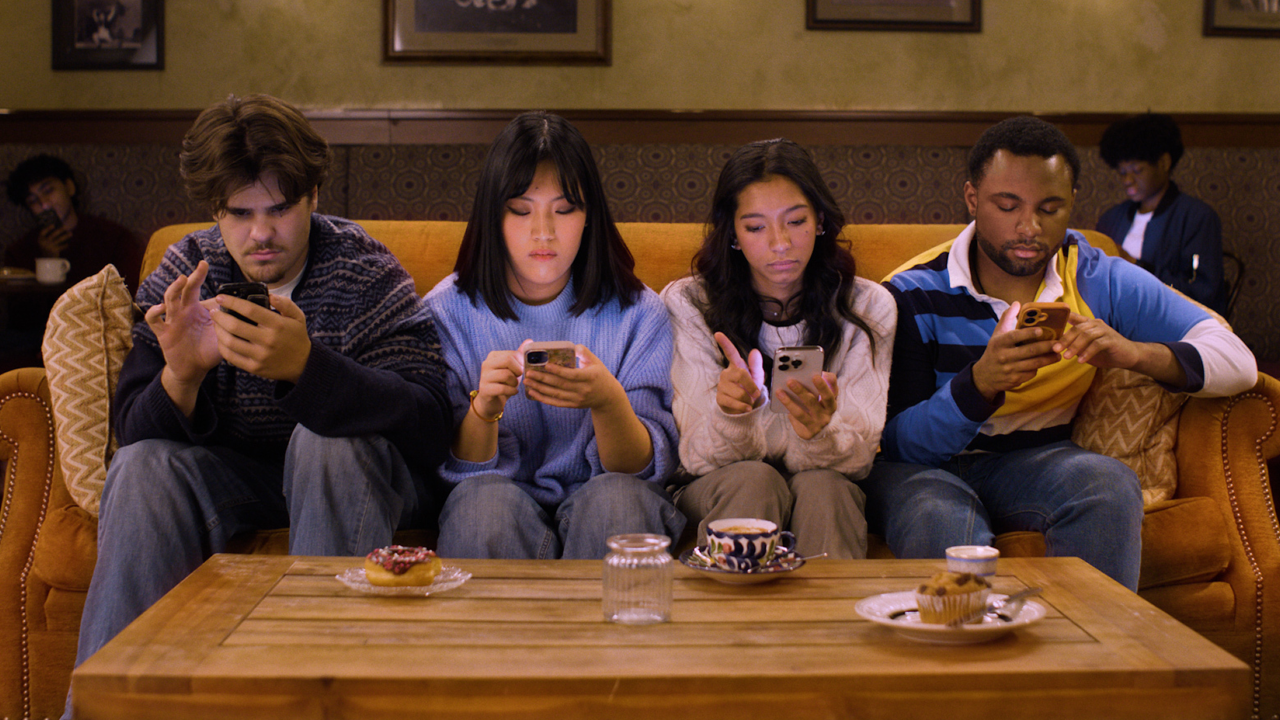
Some universities are waking up to this in a big way. Some are creating more social spaces. Others are introducing phone lockers so students can switch off for a while. NYU has even released its own sitcom parody of Friends to make the point. CUNY is showcasing clubs and societies in ways we’ve rarely seen before.
Well done, New York. You’re leading the way.
We expect many more universities to follow. We’ll certainly be encouraging them.
That means showing universities how youth brands think. And how they can play in the same space.
We love how The North Face celebrates young people getting outdoors. We’re big fans of how JD Sports encourages young people to find - and own - the spaces where they can be their best.